


How sustainable is olive oil production?
Loved for its flavor and health benefits, olive oil is an essential component of many cuisines worldwide. But behind the golden drops lies an important question: how sustainable is olive oil production really? In this article, we dive deep into the world of olive oil production to answer this question, looking at the environmental impact, methods of production and steps taken to improve sustainability.
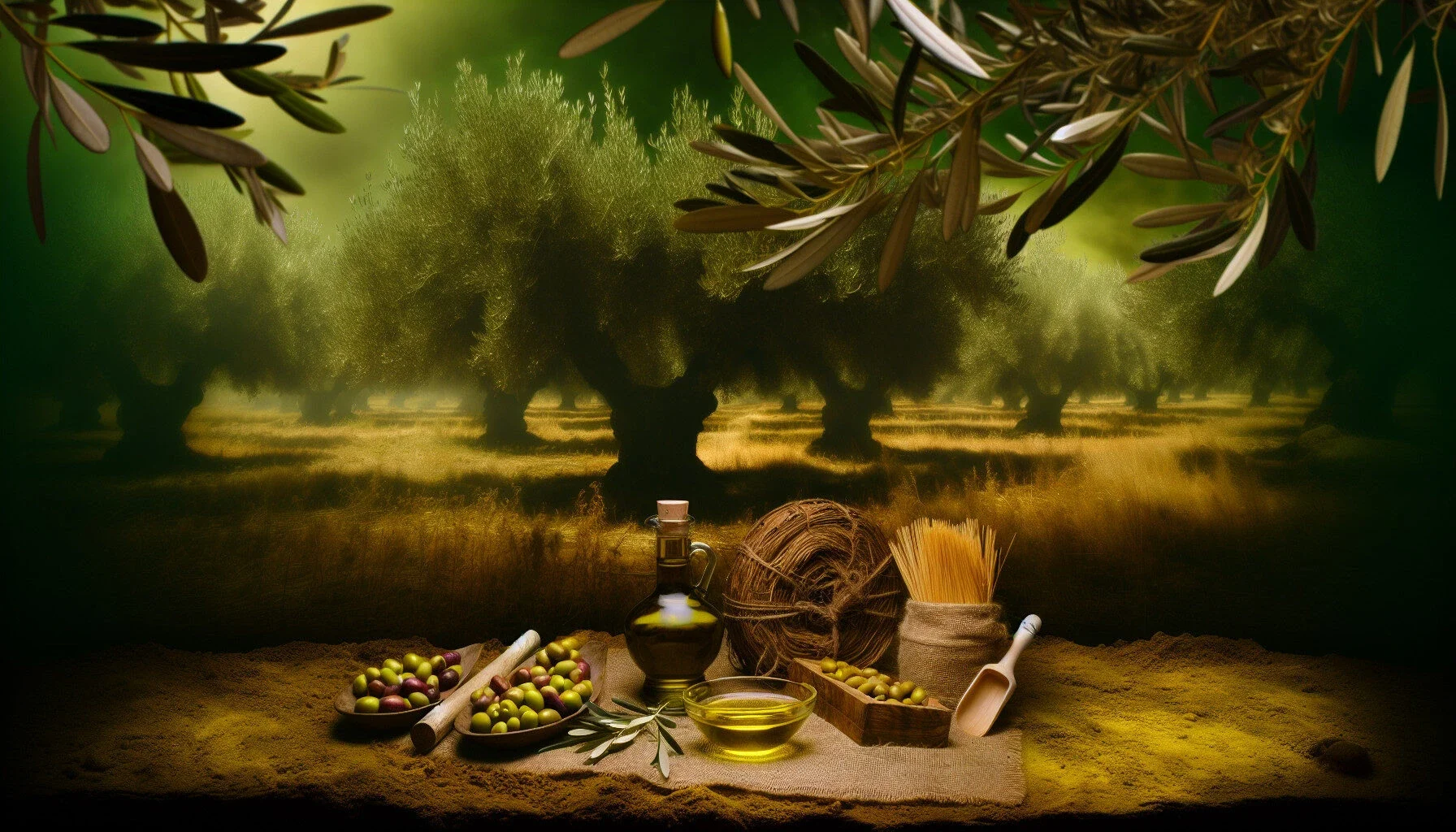
The environmental impact of olive oil production
Olive oil is mainly produced in the Mediterranean region, with countries such as Spain, Italy and Greece as the largest producers. Olive oil production can have several environmental impacts, including water use, soil erosion, and the use of pesticides and fertilizers.
Water use is a significant factor, especially in regions where water is scarce. Olive trees require less water compared to other agricultural crops, but irrigation methods can still have a significant impact on local water resources. In addition, intensive agriculture can lead to soil erosion and the decline of soil quality through the use of chemical fertilizers and pesticides.
Methods for more sustainable olive oil production
To improve the sustainability of olive oil production, several methods are being used. Organic farming is gaining popularity; this method prohibits the use of synthetic pesticides and fertilizers and aims to maintain the health of the soil. In addition, there are innovative irrigation techniques such as drip irrigation that help save water.
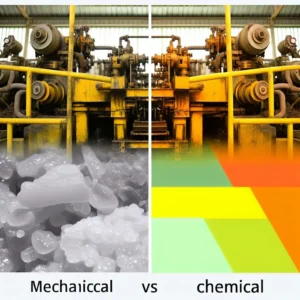
It also looks at olive processing. Traditional methods of olive oil extraction can produce a lot of wastewater, which can have harmful effects on the environment. Modern techniques such as two-stage extraction reduce the amount of waste water and improve the overall efficiency of the process.
The role of certifications and labels
Certifications play a crucial role in promoting sustainable practices in the olive oil industry. Labels such as the EU organic label or the Rainforest Alliance Certified™ seal help consumers identify which products have been sustainably produced. These certifications require producers to meet strict standards of environmental protection and social responsibility.
The economics of sustainable olive oil production
Although sustainable production practices often come at a higher cost, they can be economically beneficial in the long run. Sustainable practices can lead to higher soil fertility and less reliance on chemical inputs, which can lower costs for farmers. In addition, there is a growing market for sustainable and organic products, which can lead to higher prices and better market opportunities for producers.
Challenges and future prospects
Nevertheless, challenges remain. The transition to sustainable practices often requires an initial investment that is not feasible for all small producers. Moreover, climate change concerns such as unpredictable weather conditions and water management can further complicate olive oil production.
The future of sustainable olive oil production will depend on cooperation between farmers, governments, and consumers. Through education, investment in sustainable technologies, and supporting sustainable agricultural practices, we can work toward a more sustainable future for olive oil.
FAQ on sustainable olive oil production
Question: What are the main benefits of organic olive oil?
Answer: Organic olive oil is produced without synthetic pesticides and fertilizers, which is better for the environment. It is also often richer in certain nutrients that can be beneficial to health.
Question: As a consumer, how can I contribute to sustainable olive oil production?
Answer: By buying olive oil with sustainable certifications and labels, and by supporting brands that are transparent about their production processes.
Question: Are there financial support measures for farmers who want to switch to sustainable practices?
Answer: Yes, there are several grants and programs available in many countries that support farmers in the transition to more sustainable practices.
Olive oil production stands at a crossroads between tradition and modernity, where each step toward sustainability can have a positive impact on both the environment and the economy. By consciously choosing and investing in sustainable practices, we can help create a richer and more responsible future for this centuries-old industry.