



What is "Virgin" Olive Oil and is it Suitable for Cooking?
Olive oil is an essential ingredient in many cuisines around the world, known for its health benefits and versatility of use. One particular variety that is often in the spotlight is virgin olive oil. In this article, we dive deep into the characteristics of virgin olive oil, its uses in the kitchen, and whether it is suitable for cooking.

What is Virgin Olive Oil?
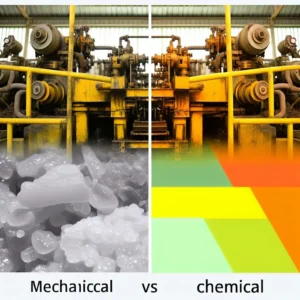
Virgin olive oil, also known as extra virgin olive oil, is the highest quality olive oil available. This oil is obtained by mechanically pressing olives without the use of heat or chemical processes. The result is a naturally extracted oil rich in flavor and nutrients. The term "virgin" indicates purity and the first pressing process, meaning that the oil has not been refined or processed after extraction.
Characteristics of Virgin Olive Oil
The quality of virgin olive oil is determined by several factors, including its acidity, flavor and aroma. The acidity of extra virgin olive oil should be below 0.8%, which is an indicator of superior quality. The taste is often described as fruity with a hint of pepperiness, and the aroma should be fresh and clean.
Health Benefits of Virgin Olive Oil
Virgin olive oil is known for its health benefits, including a high content of monounsaturated fats and antioxidants such as vitamin E and polyphenols. These components help reduce inflammation, protect against heart disease and have a positive effect on cholesterol levels.
Is Virgin Olive Oil Suitable for Cooking?
There is some debate about cooking with virgin olive oil because of its relatively low smoke point, which is around 190-215 degrees Celsius. The smoke point is the temperature at which oil begins to smoke and break down, which can lead to the formation of harmful free radicals. However, recent research suggests that extra virgin olive oil is fairly stable under heating, thanks to its high concentration of antioxidants and monounsaturated fats.
For best results, it is recommended to use virgin olive oil for low to medium cooking temperatures, or to add it to dishes after they are cooked. This preserves not only the nutritional value but also the rich flavors of the oil.
Applications of Virgin Olive Oil in the Kitchen
In addition to cooking, virgin olive oil is excellent for dressings, marinades, and as a finishing touch over dishes. It can also be used for gently sautéing vegetables or preparing sauces, keeping the temperature controlled and not too high.
Conclusion
Virgin olive oil is not only a flavorful addition to many dishes, but also a healthy choice because of its rich nutrient and antioxidant content. Although it has a lower smoke point than some other oils, it can be safely used for cooking at low to medium temperatures, making it a versatile option for both cold and hot dishes.
Its unique properties and benefits make virgin olive oil an excellent choice for anyone who values both health and taste in the kitchen.
FAQ about Virgin Olive Oil
Q: What is the difference between virgin and extra virgin olive oil?
A: Extra virgin olive oil is of the highest quality and has an acidity of less than 0.8%. Virgin olive oil can be slightly higher in acidity and is slightly less stringent in flavor profile.
Q: Can I use virgin olive oil for baking?
A: Yes, virgin olive oil can be used for baking as long as the temperatures are not too high. It is ideal for baking at low to medium temperatures.
Q: Is virgin olive oil better than other types of oil?
A: Virgin olive oil has unique health benefits and a rich flavor profile that sets it apart from other oils. However, the choice of oil may depend on personal preference and specific cooking needs.
Because of its versatility and health benefits, virgin olive oil is a valuable addition to any kitchen. Whether for salad dressings, light sautéing, or as a finishing touch, this oil enriches dishes with its unique flavor and nutritional benefits.